Passivhaus Home Builds In 2026 - Everything You Need To Know
A Passivhaus home is designed to stay comfortable through Sydney’s hot summers, cool winters, and those muggy in-between months when indoor air can feel stale. It uses a careful mix of insulation, airtight construction, high-performance windows, and controlled ventilation to keep temperatures more stable and energy use lower.
The appeal is easy to understand for homeowners. People want homes that feel calm, healthy, and efficient every day. With Passivhaus, the core idea is simple. Build better, seal better, and plan for performance from the start.
In 2026 more Sydney homeowners are interested in whether Passivhaus could work for their project. At the end of the day, energy bills and indoor comfort matter.
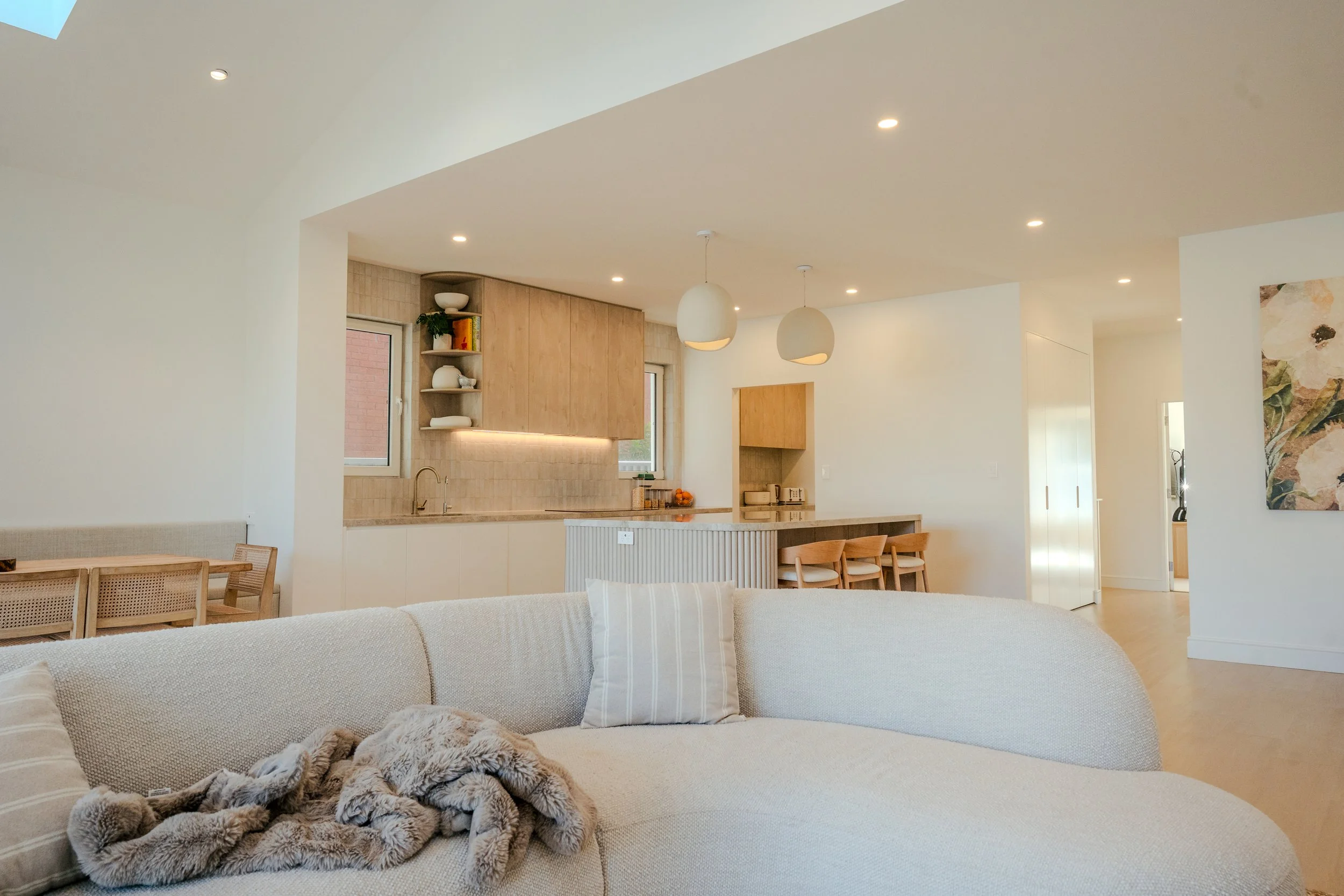
What Is A Passivhaus Home?
Understanding Passivhaus
Passivhaus is a high-performance building approach focused on stable indoor temperatures, lower energy use, and more controlled airflow throughout the home.
Passivhaus builds tackle the source of those problems during design and construction. The goal is to create a home that holds its temperature well, stays comfortable for longer, and is energy efficient.
The walls, roof, floors, windows, and seals all work together to reduce heat loss in winter and heat gain in summer. In a climate like Sydney, that can make a noticeable difference to how a home feels from morning to night.
Key Features Of A Passivhaus Home
A Passivhaus Sydney home typically includes very high insulation levels, carefully sealed construction, and windows and doors designed to reduce unwanted heat transfer. Those elements help maintain a steady indoor environment, even when the weather outside shifts quickly.
Orientation also plays a big part. In many Sydney suburbs, smart placement of glazing, shading, and living areas can improve comfort without asking more from the mechanical systems. A well-designed home in Balmain, Leichhardt, or Vaucluse won’t respond the same way to sun, breeze, and site access, so the details matter.
Another key feature is consistency. A high-performing home should feel good in the back bedroom, the living room, and the hallway, not only in the spaces closest to an air conditioner. That evenness is one of the reasons many homeowners start looking into Passivhaus.
MVHR Ventilation & Airtightness Testing
MVHR stands for Mechanical Ventilation with Heat Recovery. It’s a system that brings fresh filtered air into the home while removing stale air from places like bathrooms, laundries, and kitchens. The heat recovery part helps retain indoor comfort, which improves efficiency and supports better air quality.
Airtightness testing checks how much unintended air leaks through the building envelope. If a home leaks too much air through gaps around windows, doors, services, or construction joins, it becomes harder to control temperature and energy use. This is not an issue in Passivhaus as the airtightness is critical and Testing helps confirm whether the home is performing as intended
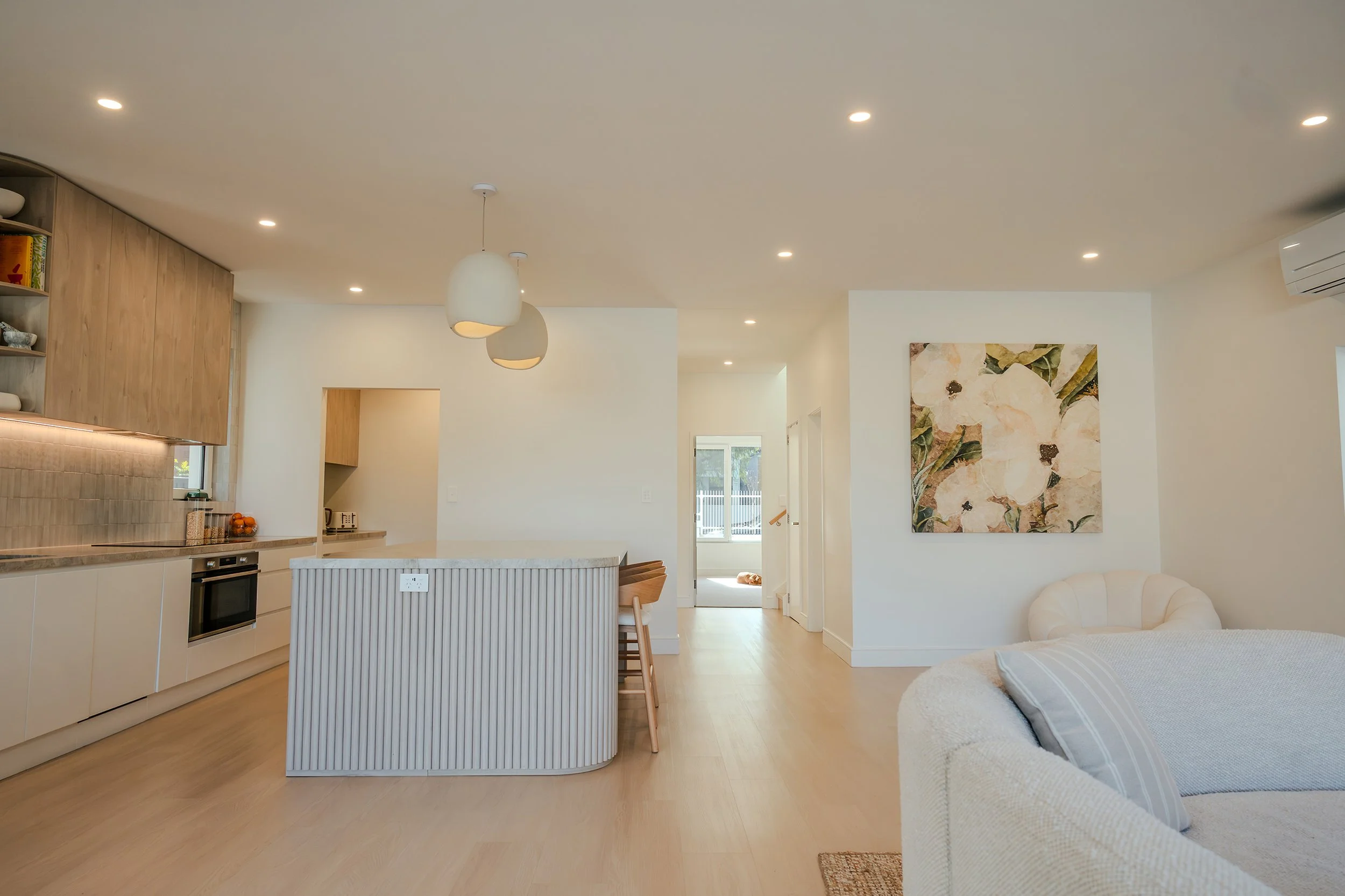
Why More Homeowners Are Considering Passivhaus
Energy Efficient Home Benefits For Sydney Living
Sydney homes can be hard to keep comfortable year-round. Older properties often run hot in summer, lose warmth in winter, and depend heavily on heating and cooling to stay liveable. Passivhaus aims to solve those issues through better design and construction.
That matters to homeowners who want lower energy use, steadier indoor temperatures, and a home that feels comfortable without constant adjustment. In practical terms, an energy efficient home in Sydney can feel cooler on a hot afternoon and warmer on a cold morning, with less strain on mechanical systems.
Better Indoor Air Quality With MVHR Ventilation
Indoor air quality is a big part of the Passivhaus appeal. A well-designed MVHR ventilation system brings in filtered fresh air and removes stale air from wet areas, helping the home feel fresher day to day.
That can be especially valuable in tightly built homes, busy urban areas, and households that care about airflow, allergens, and moisture control. It’s one of the features people tend to appreciate most once they’re living in the space.
Why Passivhaus Sydney Homes Feel More Comfortable
Comfort is often the biggest selling point. A Passivhaus home usually has fewer drafts, fewer cold spots, and less temperature swing from room to room.
You notice that in everyday moments. Bedrooms stay more settled overnight. Living spaces feel calmer through changing weather. The house works harder in the background, so you don’t have to.
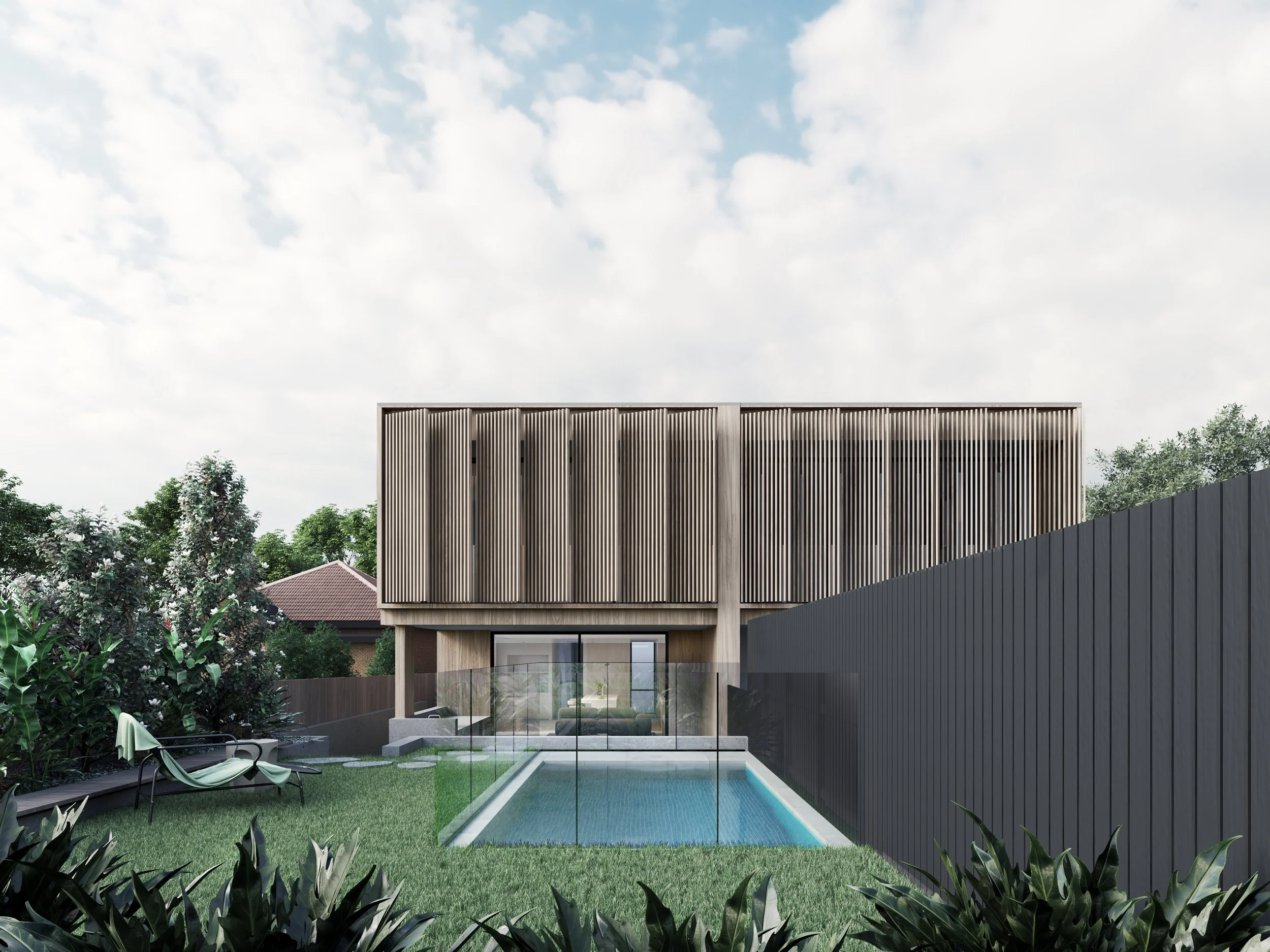
What Passivhaus Means For The Way Your Home Is Designed
Designing For Comfort From The Start
Passivhaus changes the way a home is planned from the earliest stages. Instead of treating energy performance as an add-on, it shapes the design from the beginning. That includes how the home sits on the block, where the windows go, how the rooms are arranged, and how the building handles sun, shade, and airflow.
Why Orientation & Shading Matter In Sydney
In Sydney, orientation can have a big impact on year-round comfort. A well-positioned home can welcome winter sun into living areas while limiting unwanted summer heat. Shading also matters. Eaves, screens, and carefully placed glazing can all help reduce overheating, especially on exposed sites in the Inner West and Eastern Suburbs.
Better Performance Comes From Better Decisions
Passivhaus also pushes every part of the design to work together. Windows, insulation, ventilation, and airtightness aren’t treated as separate upgrades. They’re part of one system. That’s why early planning matters so much. Good decisions on paper usually lead to a home that feels calmer, more efficient, and more comfortable once it’s built.
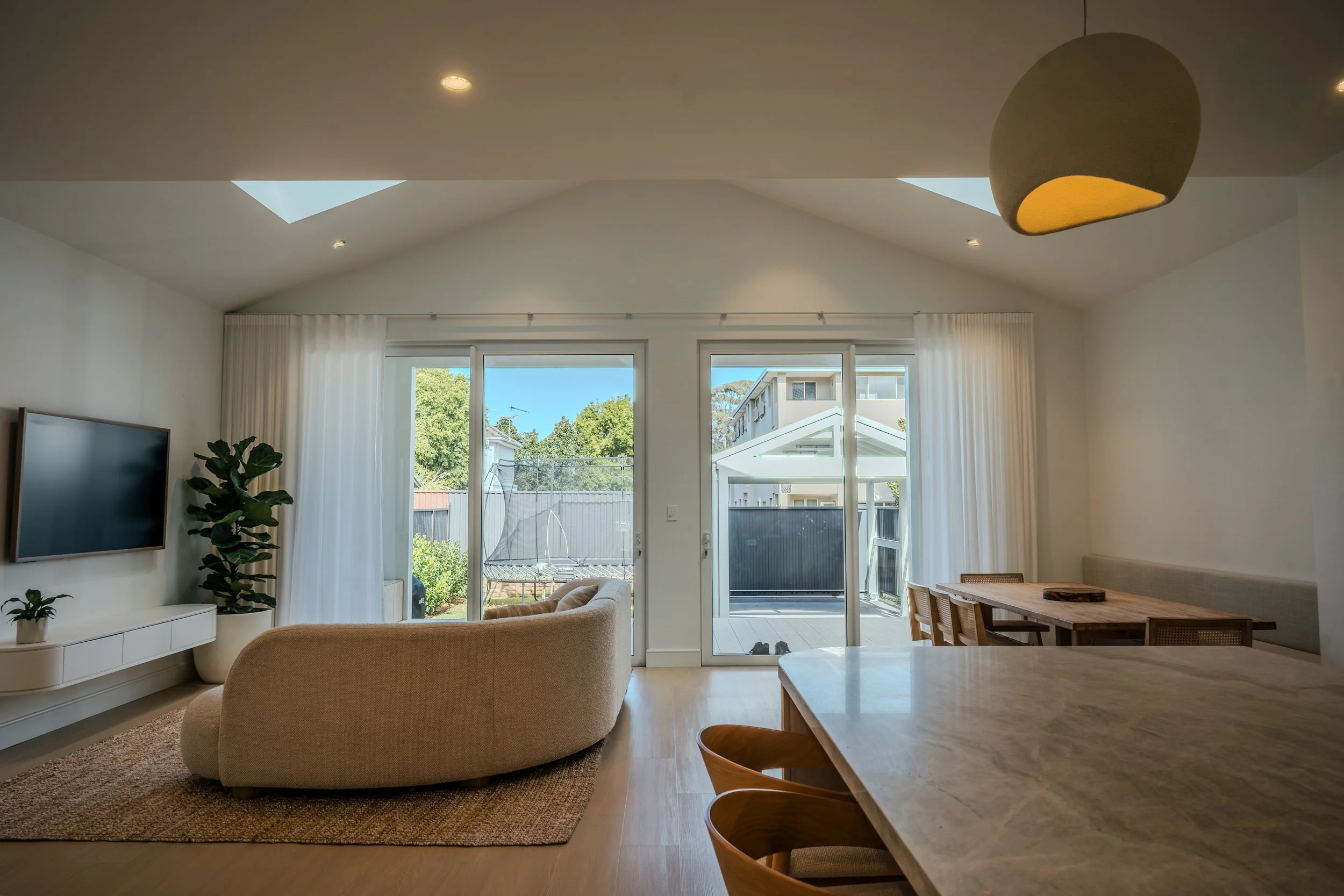
Is Passivhaus Right For You?
Passivhaus Makes Sense
Passivhaus suits homeowners who care about comfort, energy performance, and indoor air quality from day one. It’s often a strong fit for custom builds and knockdown rebuilds where the design can be shaped around clear performance goals.
Is Passivhaus Sydney Suitable For Your Site And Goals?
That depends on the block, the layout, and what you want from the home. Orientation, shading, glazing, and build quality all play a part. In Sydney, a well-planned design can make Passivhaus principles work across a wide range of sites.
Signs You’re Ready To Explore A High-Performance Home Build
You may be ready to explore Passivhaus if you want:
lower reliance on heating and cooling
a more stable indoor temperature year-round
better indoor air quality
a home that’s designed for long-term performance and everyday comfort
A feasibility discussion early in the process can help clarify whether Passivhaus is the right path for your project.
Build A Better Home
Passivhaus offers a different way to think about building. It puts comfort, air quality, and energy performance at the centre of the project, so the home works well through Sydney’s changing seasons and feels better to live in over time.
For homeowners planning a custom build or knockdown rebuild, that can mean a calmer, healthier home with fewer drafts, more even temperatures, and less reliance on heating and cooling. It’s a practical approach with long-term value, especially when performance is considered early.
If you’re exploring a high-performance home in Sydney’s Inner West or Eastern Suburbs, Sure Space can help you explore whether Passivhaus principles suit your site, goals, and lifestyle. Learn more about our home renovation services, knockdown rebuild projects. You can also request a free project assessment or contact Sure Space to start the conversation.

Passivhaus FAQ
-
A Passivhaus home is designed to deliver a high level of comfort with far less energy waste. It does that through careful insulation, airtight construction, high-performance windows and doors, and controlled ventilation. The result is a home that stays more stable in temperature and feels better to live in across the year.
-
Most new homes are expected to meet minimum energy requirements, though Passivhaus goes much further. It sets clear performance targets for heating and cooling demand, airtightness, and overall efficiency. In simple terms, it’s a more rigorous approach to comfort and building performance.
-
MVHR stands for Mechanical Ventilation with Heat Recovery. It supplies filtered fresh air to living areas while extracting stale air from wet areas like bathrooms and kitchens, helping maintain consistent air quality throughout the home.
-
No. That’s a common concern, though a well-designed Passivhaus home should feel fresh and comfortable. Because ventilation is managed in a controlled way, the home gets a steady supply of filtered air without relying on gaps, drafts, or random airflow through the building envelope.
-
Yes. Passivhaus homes aren’t sealed shut in the way people sometimes imagine. You can still open windows whenever you want. The difference is that the home is designed to stay comfortable even when the windows are closed.
-
Airtightness testing measures how much uncontrolled air leaks through the building envelope. It’s an important part of high-performance construction because unwanted air leakage makes it harder to maintain comfort and efficiency. The test helps confirm whether the home has been built to the intended standard.
-
Passivhaus is often associated with new builds, though the principles can also inform major rebuilds and substantial renovations. The level of performance that can be achieved depends on the scope of works, the existing structure, and the design strategy.