Passivhaus Builds | Extension Vs Renovation Vs Rebuild For Sydney Homes
When homeowners reach a point where their house no longer fits the way they live, the decision often comes down to three options: renovate the existing home, add more space with an extension, or start again with a knock down rebuild.
Each option has the potential to add comfort, space and long-term value, depending on the property. Passivhaus thinking brings another layer to that decision by focusing on how the home performs day to day, from indoor comfort and energy use to insulation, glazing, ventilation and airtightness. By considering performance early, homeowners can choose a building pathway that suits the way they want to live now and into the future.
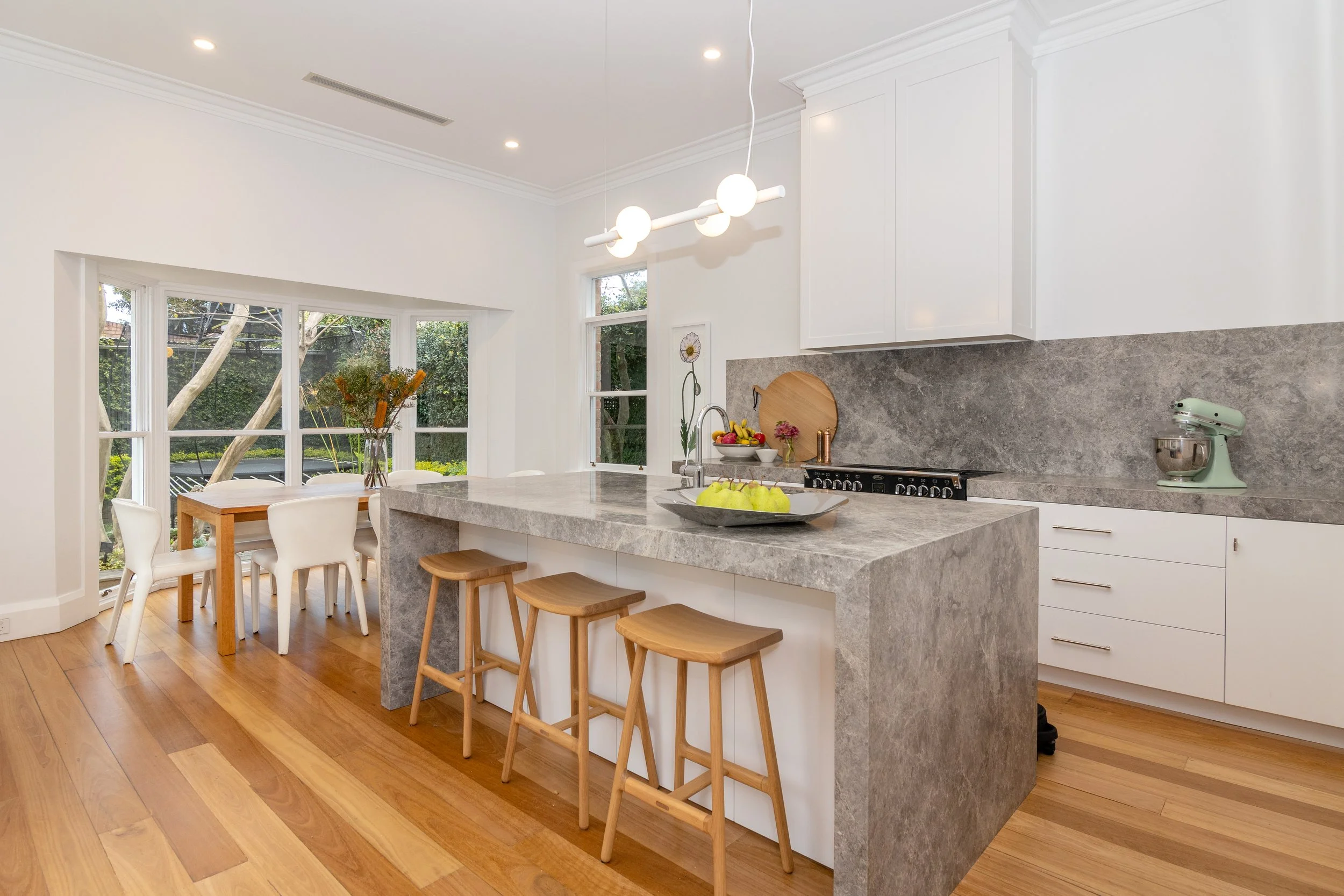
Renovation, Extension Or Rebuild Comparison
Each pathway can be a strong choice when it suits the home and the site. This table gives a simple starting point before looking at the details.*
| Pathway | Best Suited To | Passivhaus Potential | Main Planning Consideration |
|---|---|---|---|
| Home Renovation | Homes with good bones, useful character and a layout that can be improved. | Targeted upgrades to insulation, sealing, glazing and ventilation. | Hidden issues in older homes can affect scope and cost. |
| Home Extension | Homes that are worth keeping, with room to add more space. | Strong opportunity in the new build area. | The join between old and new needs careful detailing. |
| Knock Down Rebuild | Homes with major layout, structural or performance limits. | Strongest whole-home opportunity. | Approvals, demolition, accommodation and site preparation need early planning. |
*The comparison is a guide. A clear site review is the best way to understand which option fits your home, budget and long-term plans.
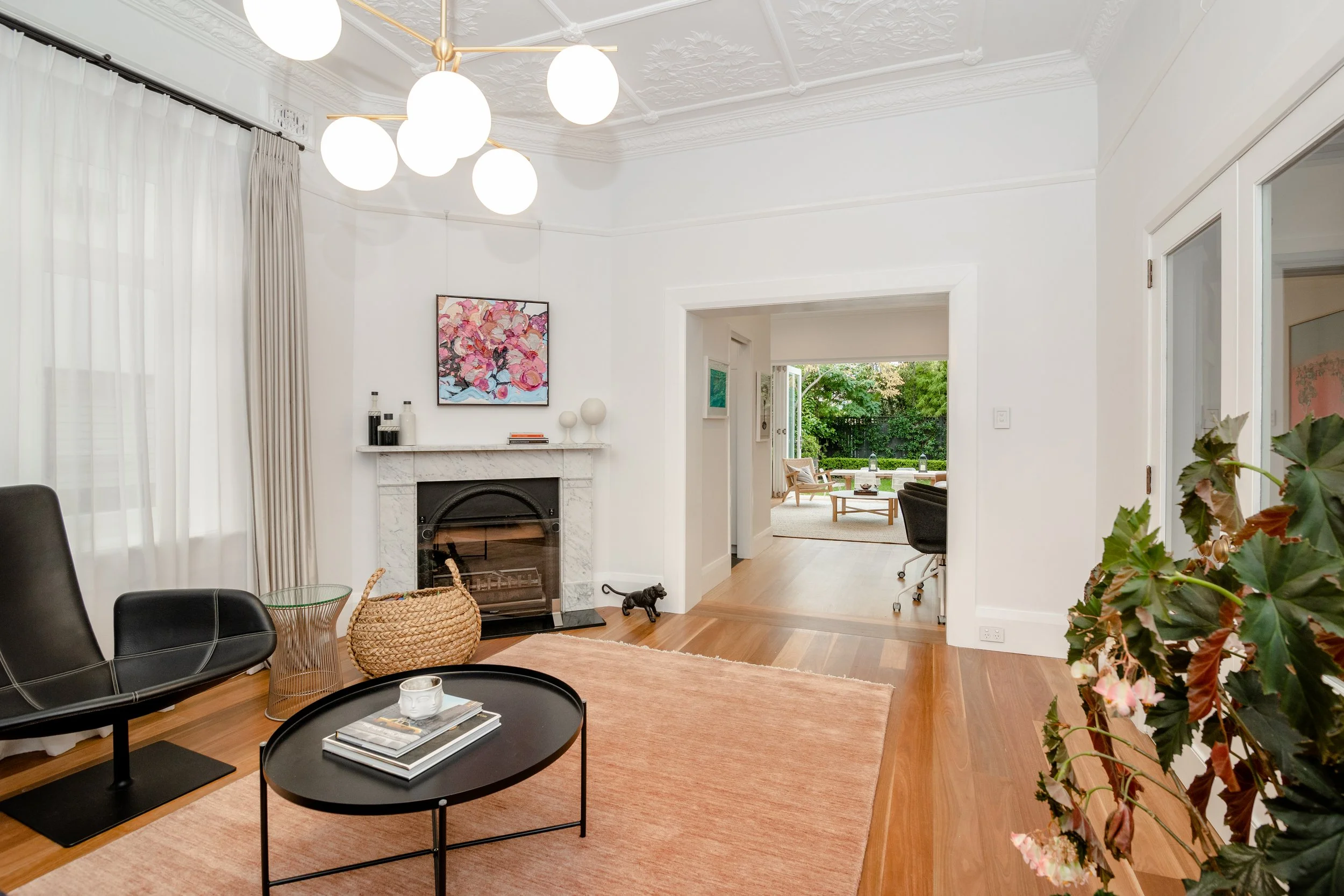
What Does Passivhaus Mean For A Sydney Home?
Passivhaus is a building approach focused on comfort, energy efficiency and healthier indoor air. The goal is simple - comfort. The home should hold a steady temperature for longer, use less energy and feel better to live in across the seasons.
The Key Building Details
Passivhaus performance comes from the way the home is designed and built.
Stronger insulation
High-performing windows
Airtight construction
Controlled ventilation
Careful orientation, shading and airflow
These details help reduce draughts and heat loss. They can also help limit heat gain during Sydney’s hotter months.
Why Passivhaus Matters In Sydney
Sydney homes face very different conditions from suburb to suburb. Terrace homes often have shared walls, brickwork and limited natural light. Coastal homes may need to handle salty air, wind exposure and strong afternoon sun.
Passivhaus thinking helps guide better choices around glazing, shading, airflow and material selection. It also encourages planning around how each room will feel once the home is finished.
Can An Existing Home Use Passivhaus Principles?
A full Passivhaus build is often easier with a new home because the whole structure can be designed from the ground up.
Renovations and extensions can still benefit from the same thinking. Better sealing, insulation, window upgrades and ventilation can make an older home feel quieter, healthier and more comfortable day to day.
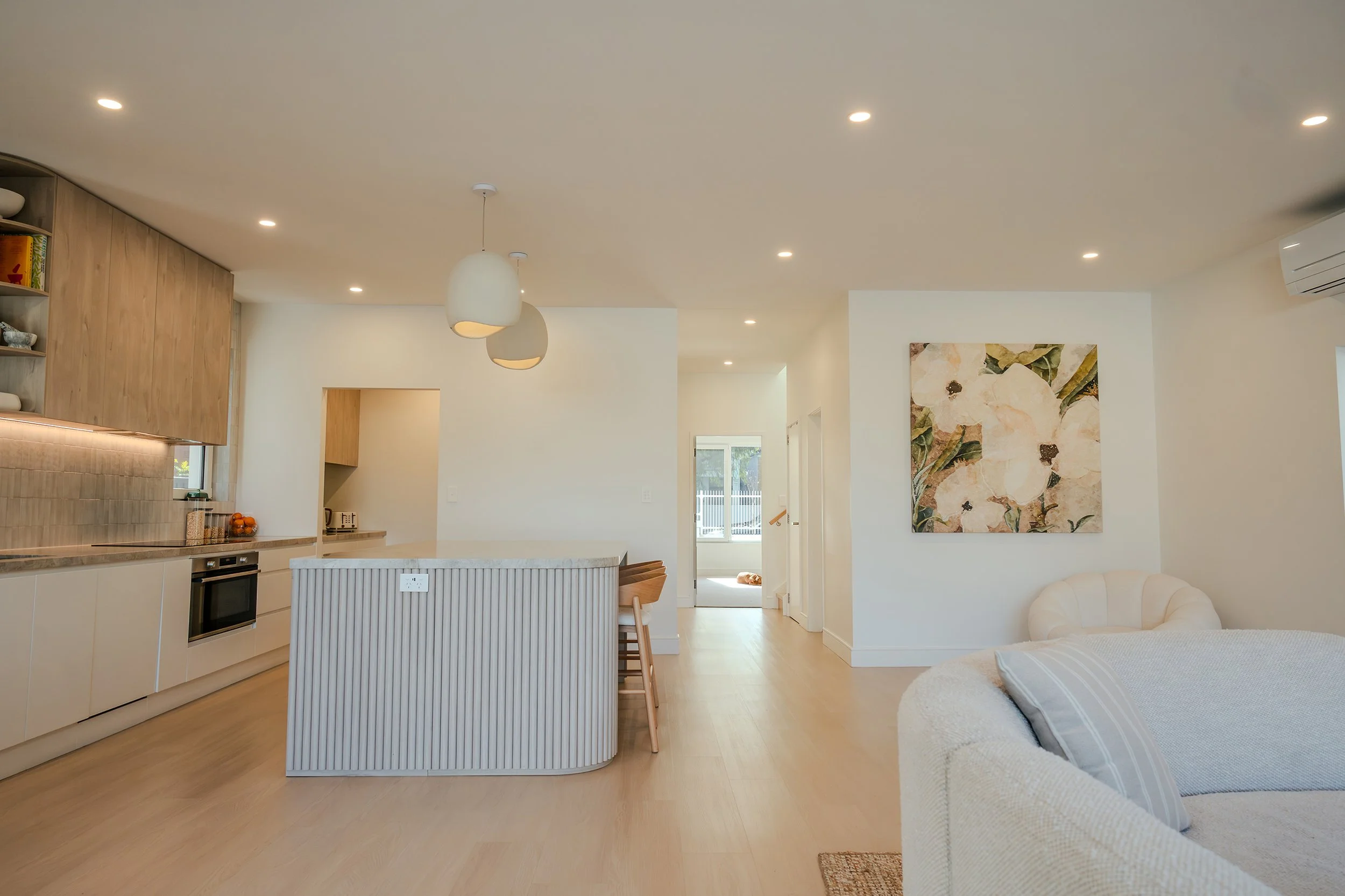
What Should You Consider Before Choosing A Project Pathway?
A renovation, extension or knock down rebuild should be chosen around the way the home needs to work. Early planning also helps reduce budget pressure and avoidable delays. Things you should consider include:
Lifestyle
Layout
Council Approvals
Heritage status
Site Access
Budget Predictability
Performance Goals
Temporary Accommodation
When A Renovation Makes Sense
Improve What’s Already There
A renovation makes sense when the home has good bones and the main goal is to improve comfort, layout and finish quality.
Best suited to:
Structurally sound homes
Period homes with character worth keeping
Properties where the existing footprint still feels practical
Inner West homes with façade or streetscape value
Can help with:
Tired kitchens and bathrooms
Dark or disconnected living areas
Draughty rooms
Worn finishes
Poor storage
Better comfort without changing the full structure
Check first:
Hidden issues behind walls, floors or roof spaces
Roofing, drainage, wiring and framing
Heritage or council controls
Whether the layout can be improved enough
Passivhaus Opportunity
Renovation can improve comfort through insulation, draught sealing, better glazing and ventilation. The existing structure may limit full performance, so early assessment matters.
When An Extension Makes Sense
Add Space Where It Counts
An extension suits homes that are worth keeping but need more room for daily life.
Best suited to:
Growing families
Homes with strong street presence
Blocks with room for a rear or upper-level addition
Owners who want to keep the original character
Can help with:
Larger kitchens
Open living areas
Extra bedrooms
Another bathroom
A home office
Better indoor-outdoor connection
Check first:
Whether extra space solves the main problem
How old and new areas will connect
Floor levels, rooflines and drainage
Narrow access, shared boundaries and neighbouring homes
Passivhaus Opportunity
The new section can be built to a higher standard with stronger insulation, high-performing glazing, airtight detailing, shading and controlled ventilation. The connection between old and new needs careful detailing.
When A Knock Down Rebuild Makes Sense
Start Again With A Clear Plan
A knock down rebuild makes sense when the existing home creates too many limits.
Best suited to:
Homes with poor structure
Awkward layouts
Poor orientation
Valuable blocks with more potential
Owners who want a complete layout and performance reset
Can help with:
Low ceilings
Cramped rooms
Limited natural light
Poor indoor-outdoor flow
Ageing materials
Layouts that can’t be fixed properly through renovation
Check first:
Approval requirements
Demolition and site preparation
Temporary accommodation
Service disconnections
Coastal exposure, slope, privacy and access
Whether rebuilding unlocks more value than retaining the home
Passivhaus Opportunity
A rebuild gives the strongest opportunity for a full Passivhaus approach. Orientation, shading, glazing, insulation, airtightness and ventilation can be planned as one complete system from the start.
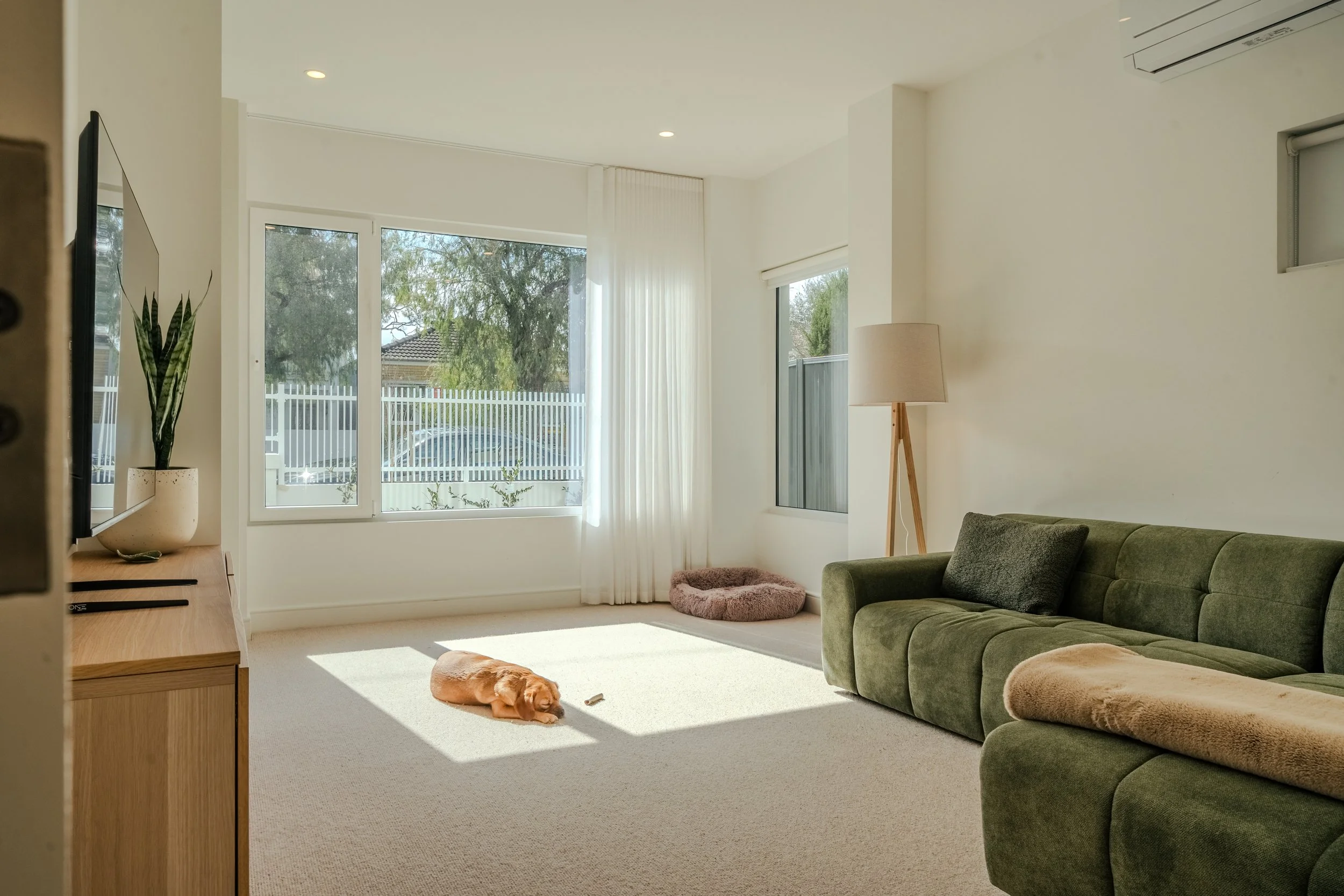
Site Factors To Consider
Inner West Homes Often Need Careful Streetscape Planning
In the Inner West, many homes sit within established streets where scale, character and neighbouring properties matter.
A terrace or a period home may need a design that respects the rhythm of the street. Rooflines, front facades, setbacks and visible additions can all affect the approval pathway.
This means the design needs to respond properly to the home, the street and the local council expectations.
Narrow Blocks Can Shape The Build
Many Inner West properties come with tight access. Materials may need to move through narrow side paths, rear lanes or shared access points.
Narrow blocks can also cause difficulties with waste removal, scaffolding, excavation and delivery timing. These details are practical. They can influence how the job is staged and how smoothly the build moves from one milestone to the next.
Eastern Suburbs Homes Have Different Pressures
Eastern Suburbs properties often bring their own site conditions.
In coastal suburbs homes may need stronger consideration of salty air, wind and weather exposure. Material selection matters need careful consideration in these areas. A rebuild or extension in these areas should be planned with durability in mind from the beginning.
Reduce Budget & Planning Stress
Early planning gives the build a stronger foundation. The more details that are resolved early, the easier it is to plan around cost, timing and daily life.
Review The Existing Home Properly
Older Sydney homes can hide issues behind walls, floors and roof spaces. A proper review helps identify likely pressure points before they affect the construction schedule.
Common issues include damaged framing, poor drainage, tired roofing, old wiring, uneven floors and moisture damage.
Make Key Decisions Early
Performance-led projects often need earlier decisions around windows, doors, insulation, ventilation, shading and cladding.
Custom joinery, imported products and specialised materials can also have longer lead times. Early selections help protect the program once trades are on site.
Plan Around Family Routines
Think through the daily details before the build starts.
Where will the family cook?
Can bathrooms and laundry areas remain usable?
Will pets need a temporary plan?
Where will furniture and stored items go?
How will parking, deliveries and school drop-offs work?
These questions can make the project feel more manageable, especially during larger renovations and extensions.
Allow For The Approval Pathway
Approvals can influence the timeline and the final scope. Heritage considerations, engineering, stormwater details and neighbour-related matters should be considered early.
Homes in the Inner West and Eastern Suburbs often need extra care because the surrounding streetscape, access and site conditions can shape what is possible.

Sure Space Helps You Choose The Right Building Pathway
Before a pathway is chosen, Sure Space looks closely at the home, the site and the goals for the finished result.
That planning can include:
Reviewing the existing home and identifying likely site constraints
Discussing whether a renovation, extension or rebuild is the stronger pathway
Considering council requirements, heritage controls and local planning issues
Planning around access, parking, neighbours and daily disruption
Identifying major selections that may affect cost or lead times
Discussing Passivhaus principles and the level of performance you want to achieve
Helping you understand what needs to happen before work begins
This early guidance gives homeowners a more realistic view of the project. It also helps reduce avoidable surprises once design, approvals and construction planning are underway.
Plan Your Long-Term Sydney Home With Confidence
There is no single pathway that suits every Sydney home. What matters most is choosing the option that fits the property, the site and the way your household wants to live.
A renovation can protect character and improve comfort. An extension can create the extra space your family needs. A knock down rebuild can unlock the full potential of a site and give you the strongest opportunity for whole-home Passivhaus performance.
Ready to explore the right pathway for your Sydney home? Contact Sure Space to discuss your renovation, extension or knock down rebuild with our dedicated team.

FAQ
-
It depends on the condition of the existing home, the block, the approval pathway and your long-term goals. A renovation may suit a home with good bones and valuable character. A rebuild may be stronger when the structure, layout or orientation creates major limits.
-
Yes. Older homes can benefit from Passivhaus principles through better insulation, sealing, glazing, shading and ventilation. A full Passivhaus outcome may be harder when parts of the original structure remain in place, so the goals should be discussed early.
-
A knock down rebuild usually offers the strongest opportunity for whole-home Passivhaus performance because the full building envelope can be planned from the beginning. Orientation, glazing, airtightness, insulation and ventilation can all be designed as one complete system.
-
A well-planned extension can add strong value when it improves space, light, layout and connection to outdoor areas. The design needs to suit the original home, the block and buyer expectations in the suburb.
-
Inner West homeowners should consider heritage streetscapes, narrow blocks, shared boundaries, access, older building structures and local council expectations. These factors can shape the design, approval pathway and construction plan.
-
Eastern Suburbs homeowners should consider coastal exposure, salt air, wind, privacy, views, slope and material durability. These details are important for long-term comfort and maintenance, especially on valuable coastal sites.
-
Start with a clear assessment of the existing home, the site constraints, the approval pathway and your lifestyle goals. Sure Space can help compare renovation, extension and rebuild options so you can choose a pathway with greater confidence.